
Meiji Restoration
Welcome to the Meiji Restoration
A Timeline and Analysis of the Fall of Japan’s Last Warriors
Thesis: While pro-imperial samurai used the Meiji Restoration to gain leadership positions and economic opportunities, the pro-Shogunate samurai class was dismantled, and their lives were destroyed in the process. Their land was confiscated, they lost stipends, and they were banned from wearing swords. These losses forced the pro-Shogunate class, individuals who used to defend tradition, into people who resisted against authority.
Bakumatsu Crisis (1853-1868)
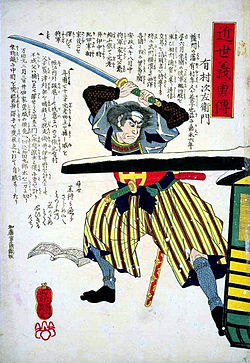
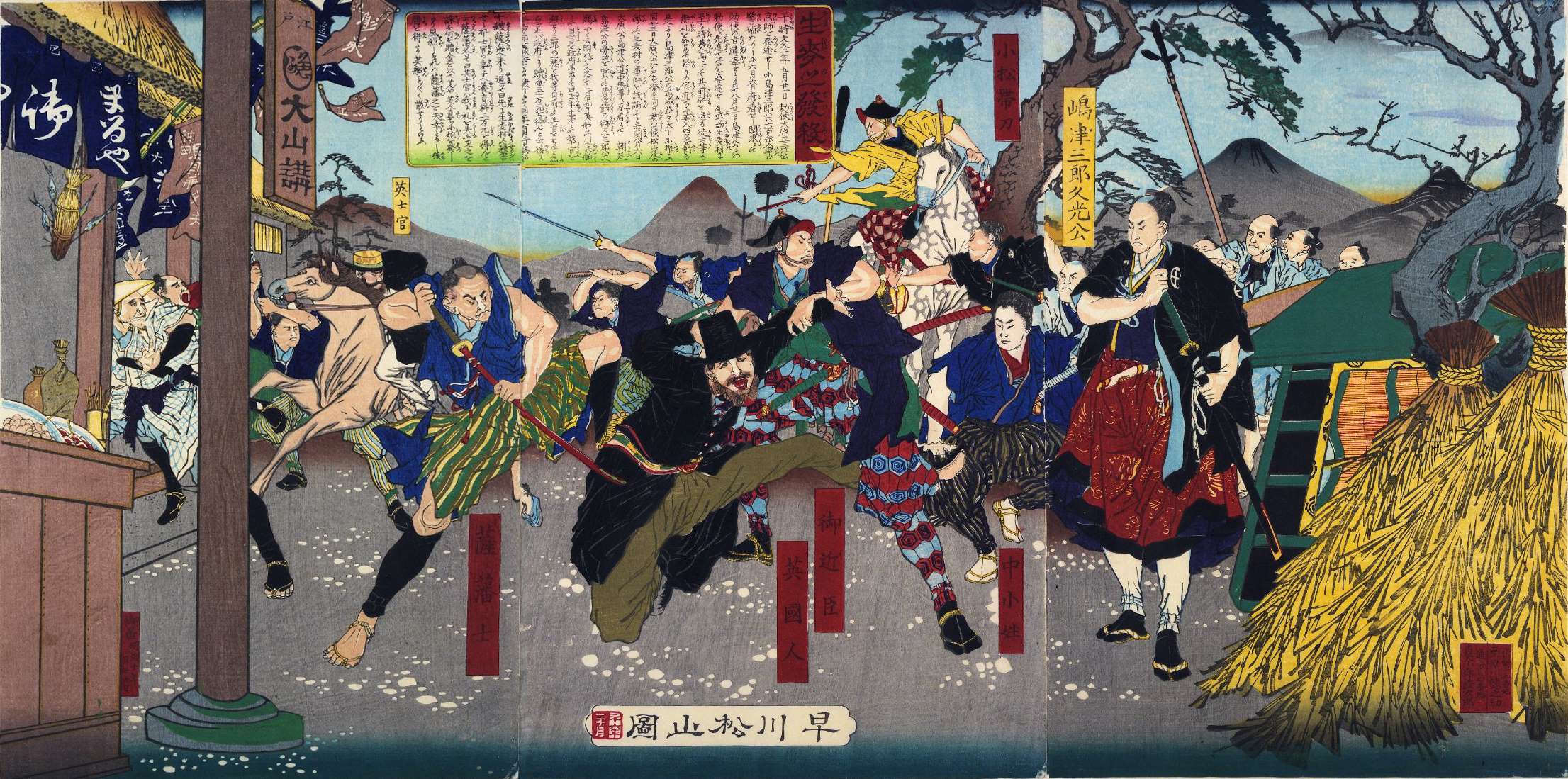
The Bakumatsu Crisis describes the 15 years after Perry arrived in the country, in which the Shogunate functionally collapsed. American arrival and Japan’s opening to foreign states resulted in increased pressure on the Emperor and internal dissent. Ultimately, Civil War breaks out, leading to the resignation of the Shogun Emperor and the installation of Meiji.
Early Meiji Reforms (1868-1873)
In 1868, following the abdication of the old Emperor, a new government led by young samurai, seeking to dismantle the Shogunate, placed Meiji on the throne. Sweeping social and political reforms emphasized placing national identity over regional loyalties.

The Breaking Point (1873-1877)
Social and political changes accompanied military reforms and restrictions as well. Universal conscription was implemented in 1873, ending the samurai’s reign as Japan’s sole warriors. The new government wanted to erase any semblance of traditional social hierarchies. Wearing swords in public was banned and samurai lost their special privileges. The result was a samurai rebellion that ultimately failed and permanently doomed the class.
Transformation Period (1877-1890)
There was massive internal migration as the former samurai flooded cities. Many of these warriors found positions in the expanding bureaucracy, police forces, and education system, but some entered emerging industrial enterprises. Universities created pathways for samurai to maintain elite status through academic achievement and merit instead of simply being born into wealth.
Consolidation (1890-1912)
The Meiji Constitution was promulgated in 1889, and the first Diet opened the following year in 1890. The Former samurai dominated as elected representatives in this new parliamentary system; they relied on political skill rather than military force to exercise their influence and maintain their power.